Why Is My Parrot Losing Feathers: Causes and Solutions
Feather loss in pet birds can range from natural molting to signs of serious stress or infection. In this guide, avian vet Dr. Alex Strelkov breaks down the most common causes and provides practical, early-intervention steps to help your parrot regrow healthy, strong plumage.
Veterinary Ornithologist | 5 min read
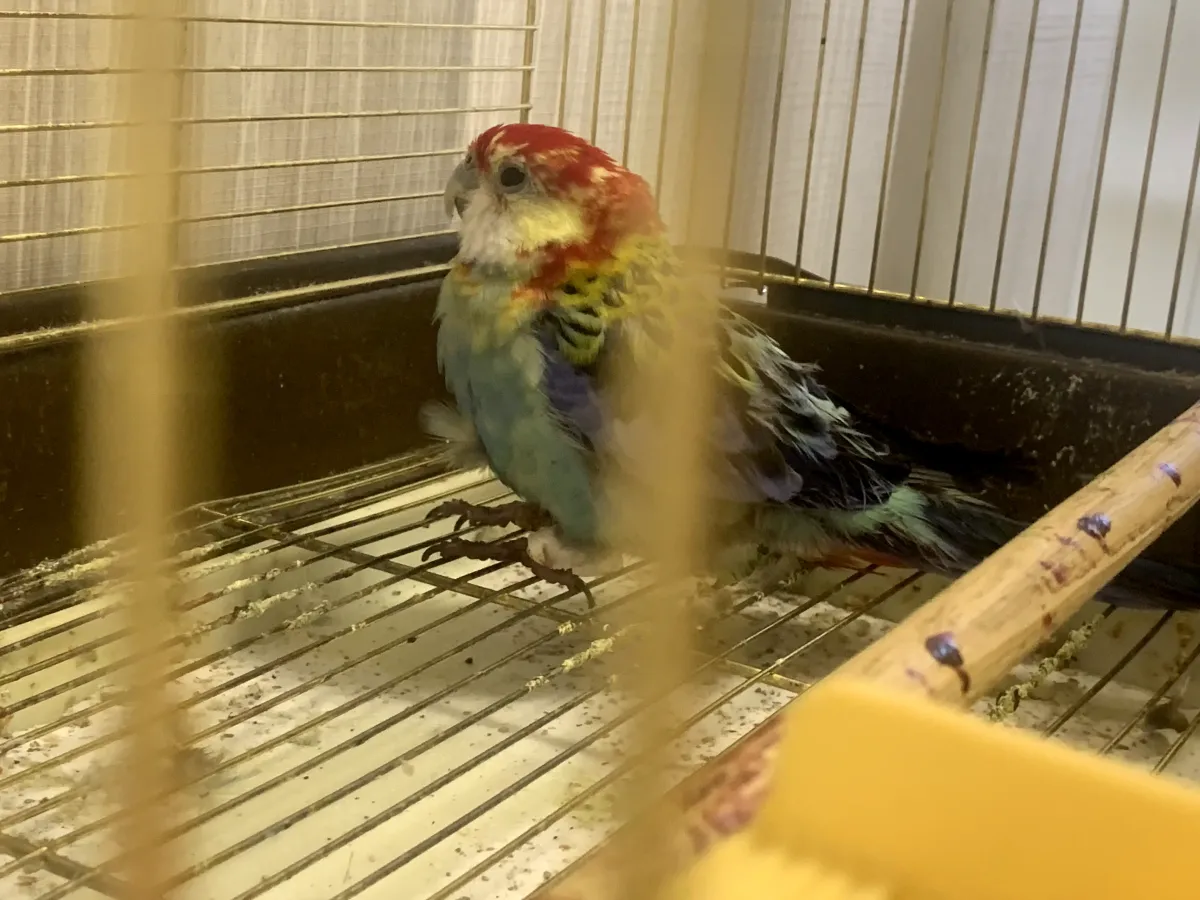
Feather loss in pet birds can be caused by many different things — from completely natural processes to serious illnesses. Understanding what's behind it and acting early can make all the difference for your bird's health and appearance.
In this article we'll walk through the most common causes of feather loss — molting, stress, infections, and more — and give you practical advice on what to do about each one.
Table of Contents
- Molting: The Most Common Reason Parrots Lose Feathers
- Stress and Feather-Destructive Behavior in Parrots
- Viruses and Bacterial Infections That Cause Feather Loss
- How to Prevent Feather Loss in Your Parrot
- Frequently Asked Questions About Parrot Feather Loss
Molting: The Most Common Reason Parrots Lose Feathers
All birds go through a natural molting process roughly once a year, though the timing can vary — especially in indoor birds kept under irregular light cycles. During a molt, old feathers are shed and replaced by new ones. This is completely normal. However, stress or sudden fright can trigger premature feather loss, sometimes leaving bare patches of skin.
If your parrot is going through a normal molt, the main thing you can do is make sure their diet is rich in vitamins and minerals so the new feathers grow in healthy and strong. Watch carefully for any accompanying symptoms such as itching, skin inflammation, or excessive scratching — those are signs something more is going on.
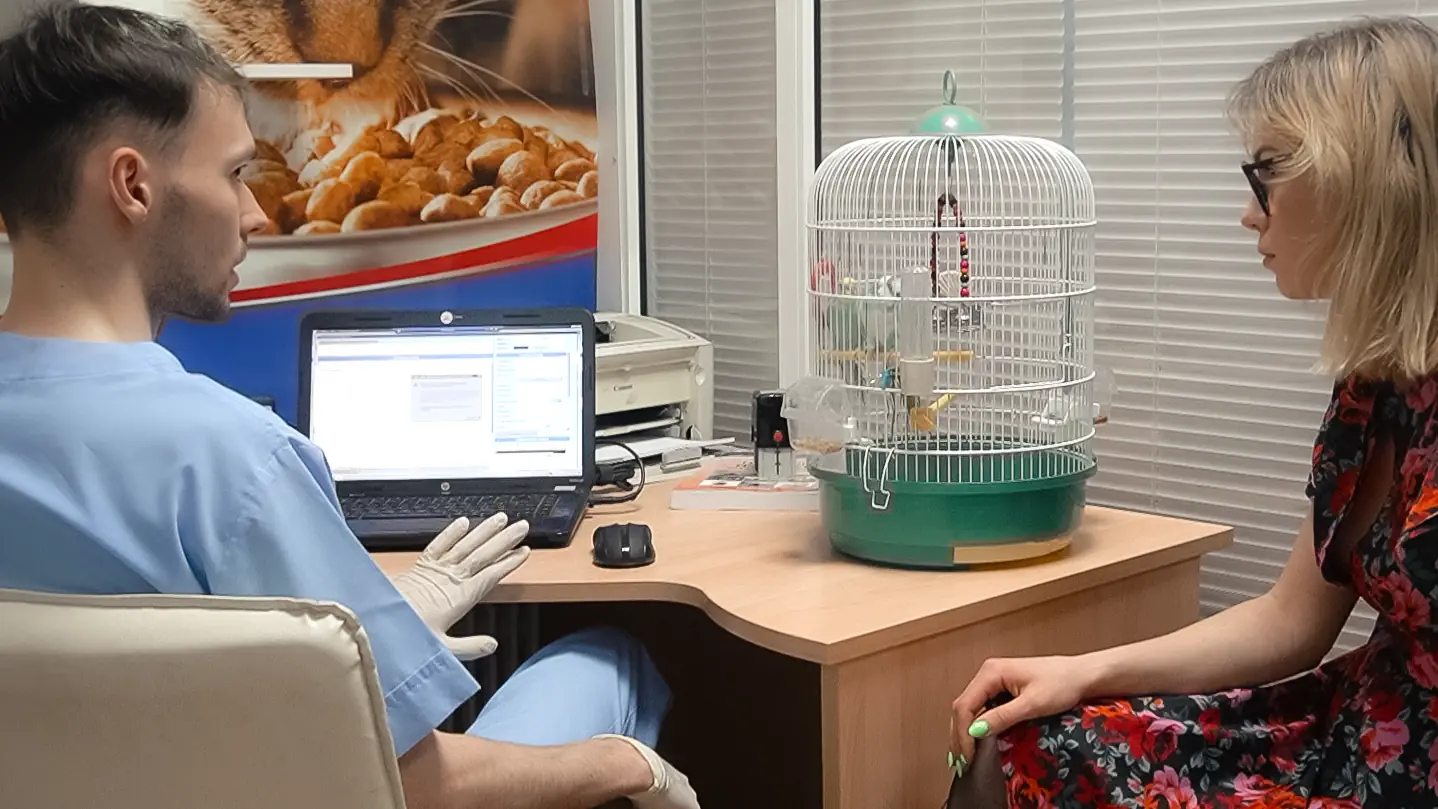
As an ornithologist, I always recommend paying close attention to nutrition during molt. Adding vitamins A and D, along with mineral supplements, can significantly speed up feather recovery.
 Dr. Alex Strelkov | Avian & Exotic Vet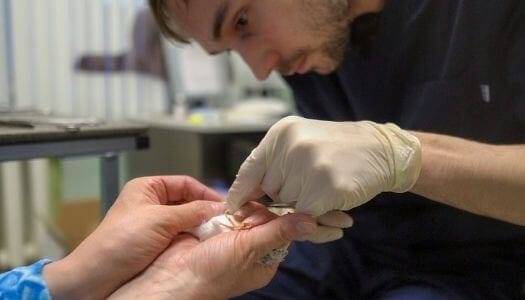
Get expert advice 24/7
Stress and Feather-Destructive Behavior in Parrots
Stress is one of the most common reasons parrots pull out their own feathers. It can be triggered by changes in their environment — a new person in the house, a shift in daily routine, or simply a lack of mental and physical stimulation.
One of my patients, an African Grey, plucked every feather from his body within 24 hours after his owner's new partner moved in.
To reduce stress, you first need to identify the source. It might be an enclosure that's too small, a lack of enrichment toys, or even too much physical contact from the owner — which some parrots interpret as a mating signal. For example, stroking a parrot along the back can trigger a hormonal response that actually makes feather-destructive behavior worse.
Remember: your parrot is not a mating partner. Avoid excessive physical affection to prevent triggering hormonal changes.
Viruses and Bacterial Infections That Cause Feather Loss
Certain viruses — such as circovirus, which affects wild cockatoos, or polyomavirus — can cause feather loss, particularly around the head and wings. Bacterial and fungal skin infections can also result in bald patches. If the feather follicles themselves are damaged, feathers may not regrow even after the underlying condition is treated.
This is why early intervention by an avian specialist is so important. An avian vet can run tests for viruses, bacteria, and fungi to identify what's happening and choose the right treatment.
Important: Getting to a vet early — and choosing a treatment approach that fits your circumstances, including where you live and what medications are available — can mean the difference between full recovery and permanent feather loss. Don't wait. There is almost always a path forward.
How to Prevent Feather Loss in Your Parrot
To minimize the risk of feather loss, follow these practical guidelines:
- Offer a varied diet: seeds, vegetables (spinach, carrots, broccoli), fruits, high-quality commercial pelleted feed, and mineral supplements.
- Let your bird out of the cage regularly — just make sure windows are closed and fans are switched off first.
- Leave the radio or TV on if your bird is home alone. Background sound provides stimulation and reduces anxiety.
- Maintain a natural light cycle by covering the cage at night.
- Clean the cage regularly to prevent feather buildup, which can actually encourage more plucking behavior.
- Provide enrichment toys and foraging activities to keep your bird mentally engaged.
In persistent cases, protective collars or temporarily separating birds that live together may be necessary.
Frequently Asked Questions About Parrot Feather Loss
Why is my parrot losing feathers?
Feather loss in parrots is usually caused by one of four things: natural molting, stress, infection, or nutritional deficiency. Identifying which one requires looking at the pattern of loss, your bird's behavior, and ideally a consultation with an avian vet.
Why is my parrot losing feathers on its neck?
Feather loss around the neck is often caused by other birds in the same cage over-preening or plucking their companion, or it can indicate a local skin infection or irritation. An ornithologist can help pinpoint the exact cause.
Why is my parrot losing feathers on its head?
Head feather loss is commonly linked to parasites, bacterial or fungal infections, hormonal imbalances, or vitamin A deficiency. Because birds can't scratch their own heads, this area is often affected when a cagemate is doing the plucking.
What happens if my parrot loses tail feathers?
Tail feathers usually regrow fairly quickly, especially if the loss is molt-related. However, it's worth checking whether trauma or stress may be involved — particularly if the loss seems sudden or the feathers aren't growing back.
Why does my parrot have flaky skin and feather loss at the same time?
Flaky skin combined with feather loss is a classic sign of parasites such as mites, or a fungal infection. This combination warrants an in-person or online consultation with an avian vet rather than a wait-and-see approach.
Key Takeaways
Feather loss in parrots can stem from natural processes like molting, or from more serious underlying causes including chronic stress, hormonal imbalances, or infectious disease. The most important thing you can do is observe your bird closely and act early.
With the right diagnosis and proper care — including nutrition, environmental enrichment, and specialist guidance — feather regrowth is possible in the vast majority of cases. Don't wait until bald patches become permanent. The sooner you get answers, the better the outcome for your bird.
Share your experiences in the comments section below to help other owners; and if you are currently concerned about your bird's health, I would be happy to assist you—simply click the button.