Parrot Beak Peeling and Delamination: Causes and Treatment
Your parrot's flaking beak isn't cosmetic — it's a warning sign. Delamination can mean nutritional deficiency, parasites, or systemic disease. An avian vet breaks down every cause, what diagnosis requires, and why waiting makes it worse.
Avian veterinarian • 8 min read
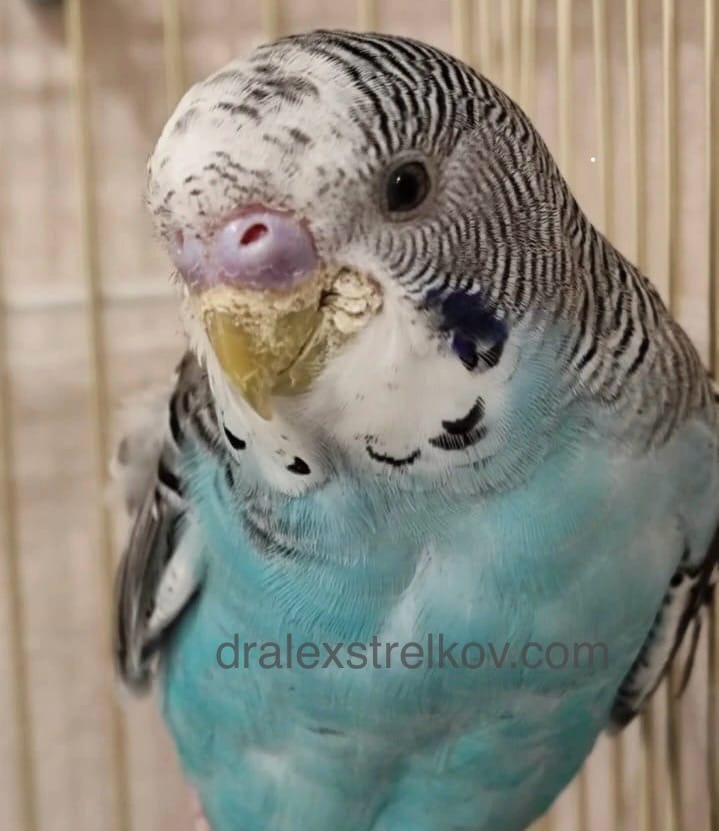
As an avian veterinarian with 15 years of practice, I see beak problems every single day. Delamination — when the beak surface begins to split, peel, or layer — is among the most frequent complaints. What owners often miss is that a flaking beak is never the actual problem. It is always a symptom of something else. In this article I will walk through every significant cause, the diagnostic process, and what modern treatment actually looks like.
Nutritional Causes
Poor diet is the leading cause of beak delamination in pet parrots. In my experience, over 60% of cases trace back to feeding errors.
Vitamin Deficiencies
- Vitamin A — deficiency disrupts the keratinization process, leaving the beak dry and brittle (Vitamin A deficiency hits not only the beak - it is also a common cause of feather loss.)
- B vitamins (especially biotin) — affect protein metabolism, which is the foundation of keratin structure
- Vitamin D3 — essential for calcium absorption; deficiency leads to rickets and beak deformities
Mineral Deficiencies
- Calcium — the primary building block of all keratin structures
- Zinc — directly involved in keratin synthesis
- Selenium — provides antioxidant protection to keratinous tissue
From my practice: I regularly see birds fed exclusively on seed mixes. This is the nutritional equivalent of feeding a child nothing but bread. The body is simply not getting what it needs to build healthy beak tissue. I cover correct dietary balance — and why seed-only feeding is a slow death sentence — in detail on my Telegram channel for parrot owners.
Traumatic Injury
Mechanical damage to the beak can initiate delamination that persists long after the initial incident.
Common Trauma Types
- Cage bar impacts — especially common in nervous or easily startled birds
- Falls — young, inexperienced birds are particularly vulnerable
- Toy-related damage — low-quality or excessively hard accessories
Iatrogenic Causes
- Incorrect beak trimming technique
- Use of blunt instruments
- Over-trimming during the procedure
Important: Never attempt to trim your parrot's beak yourself. This must be done by a specialist using proper instruments. Improper trimming is one of the most preventable causes of beak damage I see.
Infectious Diseases
Several categories of pathogen can directly attack beak tissue.
Fungal Infections
- Candidiasis — causes softening and delamination of the keratinous layer
- Aspergillosis — leads to cracking and ulceration
Bacterial Infections
- Staphylococcal lesions
- Streptococcal infections
- Gram-negative bacterial species
Parasitic Infestation
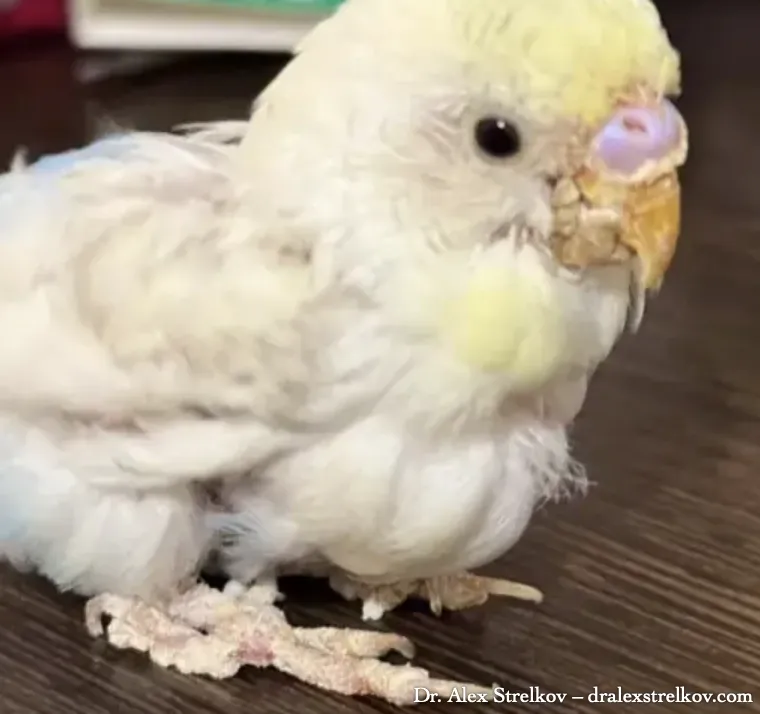
- Knemidocoptic mange — mites of the genus Knemidocoptes produce the characteristic "honeycomb" delamination pattern most parrot owners will recognize
- The same Knemidocoptes mites that deform the beak also attack the skin and feather follicles — which is why feather loss combined with flaky skin often points to the same parasitic cause.
- Other ectoparasites
Genetic Factors
Some birds arrive with a predisposition that no amount of correct husbandry can fully overcome.
- Congenital beak development defects
- Hereditary metabolic disorders
- Breed predisposition — budgerigars are notably susceptible
A note on sourcing: Always ask about a bird's lineage when purchasing. Birds from poorly managed breeding operations frequently carry genetic problems that manifest as chronic beak issues throughout their lives.
The beak does not exist in isolation. When internal organs are struggling, the beak reflects it.
Liver Pathology
- Hepatic lipidosis (fatty liver disease)
- Hepatitis of various etiologies
Kidney Disease
- Gout
- Renal insufficiency
Endocrine Disorders
- Hypothyroidism
- Diabetes mellitus
Housing and Environment
The conditions a bird lives in have a direct, measurable effect on beak health.
- Low humidity — dries out the keratinous layer, causing surface cracking and peeling
- Insufficient UV exposure — impairs vitamin D3 synthesis, creating a secondary calcium deficiency
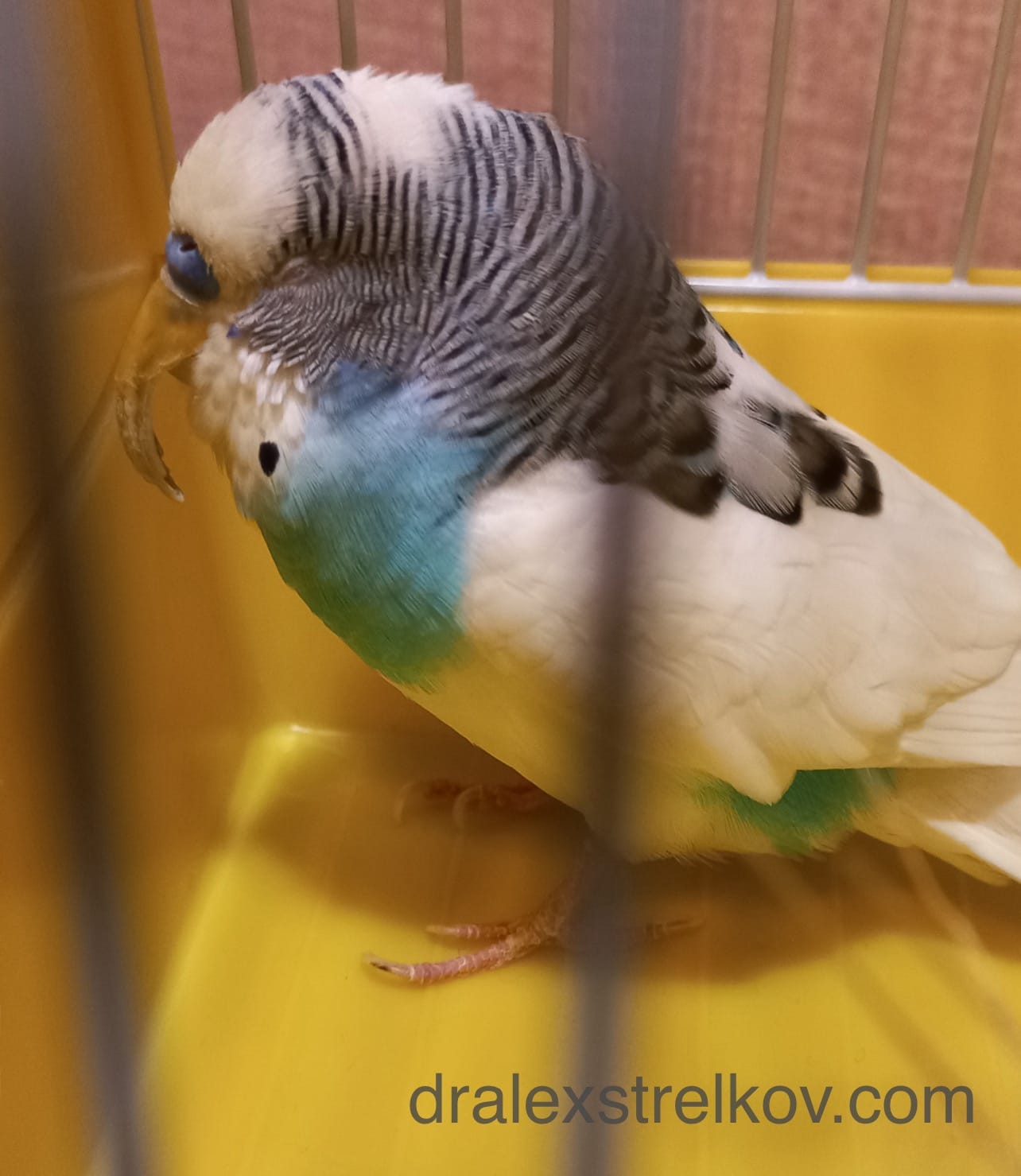
- No wear surfaces — without appropriate objects to work the beak against, overgrowth and structural changes follow.
Diagnosis
In my clinic, diagnosis is never based on a single finding. A structured approach is essential.
- Detailed history — housing conditions, diet, medical background
- Clinical examination — full physical assessment with focused evaluation of the beak
- Laboratory testing
- Scraping microscopy
- Bacteriological culture
- Blood biochemistry panel
- Advanced imaging
- Endoscopy
- Radiography
No symptom in avian medicine is pathognomonic. Correct diagnosis almost always requires combining several methods — which is why self-diagnosis based on internet images consistently leads owners in the wrong direction.
Treatment
Treatment depends entirely on what the diagnosis reveals. There is no universal protocol.
General Principles
- Dietary correction
- Improvement of housing conditions
- Topical beak management
Condition-Specific Treatment
- Infections — antibiotics or antifungals as indicated
- Parasites — acaricidal agents
- Systemic disease — targeted therapy directed at the underlying condition
Stop stressing about your bird's health with 24/7 online avian vet care
Critical: Treatment must be prescribed by a veterinarian following accurate diagnosis. Self-treatment does not just fail to help — it frequently causes direct harm to the bird.
Prevention
Nutrition
- Balanced, species-appropriate diet
- Fresh fruit and vegetables daily
- Mineral and calcium supplementation
Housing
- Maintain humidity at 60–70%
- Provide access to natural or full-spectrum artificial UV light
- Safe cage design with correctly positioned perches
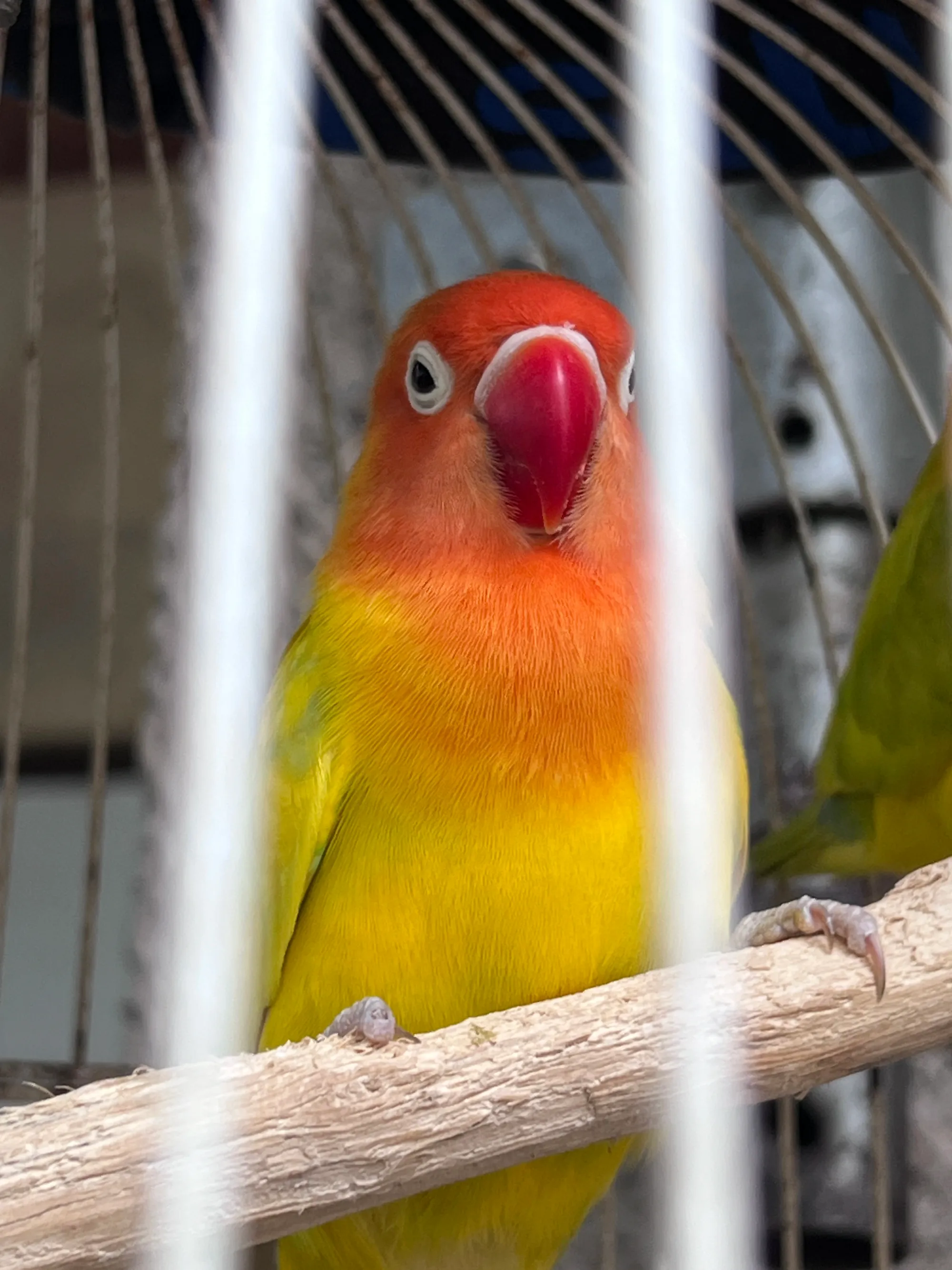
A healthy lovebird with a correctly formed beak and vibrant plumage. This is what proper nutrition and husbandry actually produces.Hygiene and Routine Care
- Regular disinfection of cage and accessories
- Natural wood branches for beak conditioning
- Periodic check-ups with an avian specialist
Key Takeaway
Beak delamination is always a symptom — never a standalone diagnosis. Behind it can be serious nutritional deficiencies, infectious disease, systemic illness, or environmental failure. Early veterinary assessment does not just fix what you can see. It identifies what you cannot.
A healthy beak is an indicator of overall wellbeing. If your parrot is showing signs of beak delamination, do not wait to see whether it resolves on its own.
Book a consultation with an avian specialist