Did Your Vet Fail Your Bird?
Why "Second Opinion" Isn't Just Advice, But an Audit of the Errors Killing Your Bird
You did everything right. You noticed your bird was sick. You didn't look for advice on forums; you went to a clinic. You paid for an exam, X-rays, and medication.
But your bird isn't getting better.
And the medical discharge summary says something vague about "intestinal bloating," an "abnormal kidney shape" (based on an X-ray!), and prescribes an antibiotic with a dosage that is impossible to calculate.
Sound familiar? You are not alone. People come to us for a Second Opinion every day after becoming trapped by this system.
The Illusion of Help: Why 90% of Vet Visits Don't Work
The problem isn't that the vet is a bad person. The problem is that avian medicine is an ultra-niche field. The vast majority of clinics work with dogs and cats. For them, birds are stressful: they are small, they die quickly from stress, and their anatomy is completely different.
What happens in reality:
— The bird is treated like a dog. They prescribe amoxicillin "just in case," without understanding that without clavulanate, it doesn't work against the flora that is actually killing your bird.
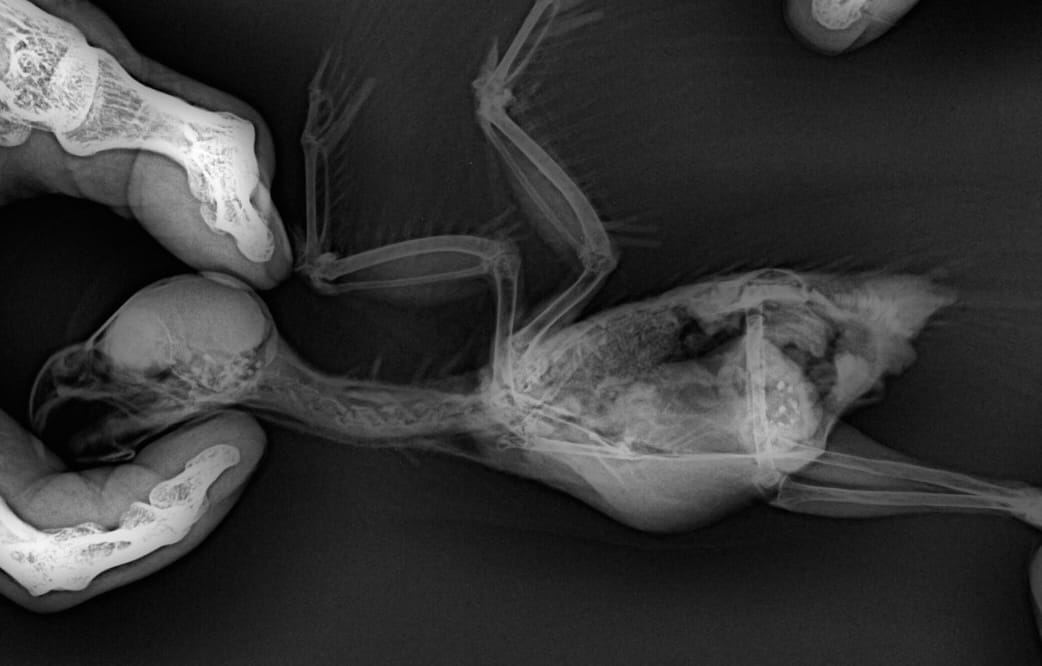
— They perform meaningless diagnostics. They take low-quality X-rays (handing over compressed JPEG/PNG pics instead of DICOM files) and then make diagnoses that are impossible to make from such images.
— They are afraid to draw blood. "We couldn't get blood from a 40-gram parrot" is not an excuse; it is an admission of incompetence.
— They downplay the severity of the condition. They write "droppings normal" in the medical record, even though the owner sees that the bird hasn't eaten in 10 days and there is almost no droppings.
As a result, you get a prescription for medications that don't address the actual problem, and you lose precious time.
"Second Opinion" Is Not Chit-Chat. It's a Rigorous Audit.
Many people think that an online avian vet consultation is when you describe the symptoms, and the reply is: "Give enrofloxacin and use a heat lamp."
That is not what this is. A true Second Opinion is a medical post-mortem of the case (while the patient is still alive).
When you come to me with the results of previous treatment, I don't just give new prescriptions. I do three things:
1. I Find the Holes in the Diagnosis
I dissect every point of the previous discharge summary.
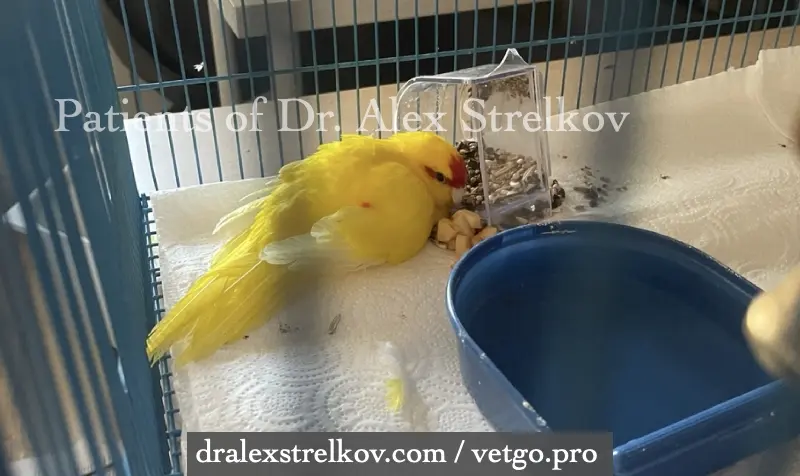
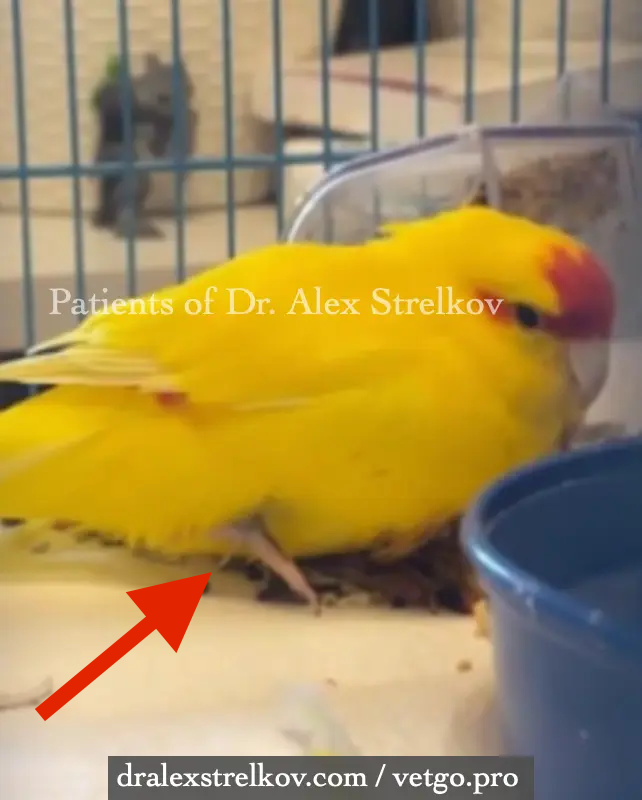
A serious leg fracture that was completely missed by the previous avian veterinarian, who prescribed antifungal medication instead of surgery.
A real-life case: A parrot was taken to a certified "avian vet." The bird had a severe, comminuted leg fracture with sharp bone fragments—a life-threatening emergency that could sever blood vessels or nerves at any moment.
Instead of surgery, the vet prescribed antifungals and useless medications. The owners were sent home. They came to me for a Second Opinion.
My response: The problem is not a fungus or an intestinal issue. It is an unstable oblique fracture. This will not resolve itself. You need a surgeon with avian experience and gas anesthesia (isoflurane/sevoflurane) immediately for either stable fixation (osteosynthesis) or amputation if the limb cannot be saved.
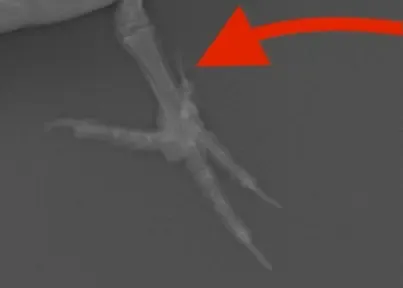
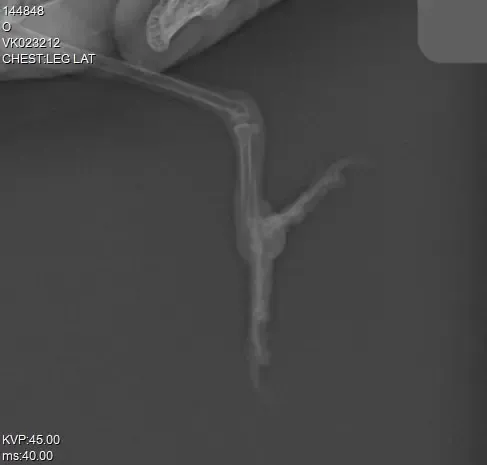
Close-up veterinary X-ray of a parrot's leg showing a dangerous, comminuted bone fracture with sharp fragments, requiring immediate fixation or amputation.
2. I Break Down Prescription Errors
For example: "Amoxicillin 0.1 ml twice a day." Without specifying the drug's concentration (50 mg/ml or 100 mg/ml?), this note is meaningless. For a 60-gram bird, the difference in dosage is colossal—from completely ineffective to outright toxic. I show you exactly why the previous protocol failed.
3. I Build an Evidence-Based Tactic
I don't treat "blindly." If you have even basic tests (a crop or cloacal swab), I explain exactly what we are seeing under the microscope. If there are no tests, I provide a clear algorithm: what minimal tests need to be done in-person, and what supportive therapy should be administered right now so the bird survives until the results are back.
Who Critically Needs a Second Opinion Right Now?
Don't wait until it gets worse. You need a treatment audit if:
— The bird has been on an antibiotic or antifungal for 3-5 days, but appetite and droppings haven't normalized.
— The clinic failed to draw blood or take a high-quality X-ray.
— The vet prescribed a medication without explaining exactly which bacteria/fungus it is targeting.
— The symptoms were written off as "stress," even though the bird is fluffed up, refusing food, and sitting at the bottom of the cage.
— A new bird appeared in your home (without quarantine), and the old one started getting sick—but the local vet didn't order PCR tests for chlamydiosis and salmonellosis.
The Cost of a Mistake vs. The Cost of an Audit
Yes, an expert avian consultation costs more than asking a question on a cheap forum. But let's do the math:
How much have you already spent on the vet visit, the X-rays, and the medications that aren't working? What is the value of your peaceful sleep when you know the treatment plan is evidence-based, not pulled out of thin air? And most importantly—what is the life of your bird worth, as its time ticks away with every hour of anorexia?
You have already paid for a treatment that didn't help. Don't pay for the exact same thing a second time. Stop and request an audit.
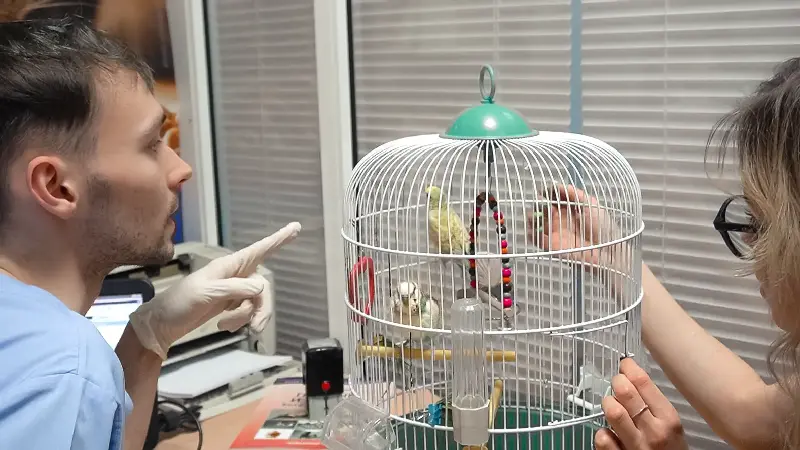
Note: A Second Opinion does not replace in-person interventions (injections, blood draws, surgery). It is a tool for the owner to get an independent, evidence-based (BSAVA, WSAVA) review of the situation and a clear action plan for your treating vet—or for finding a new one.