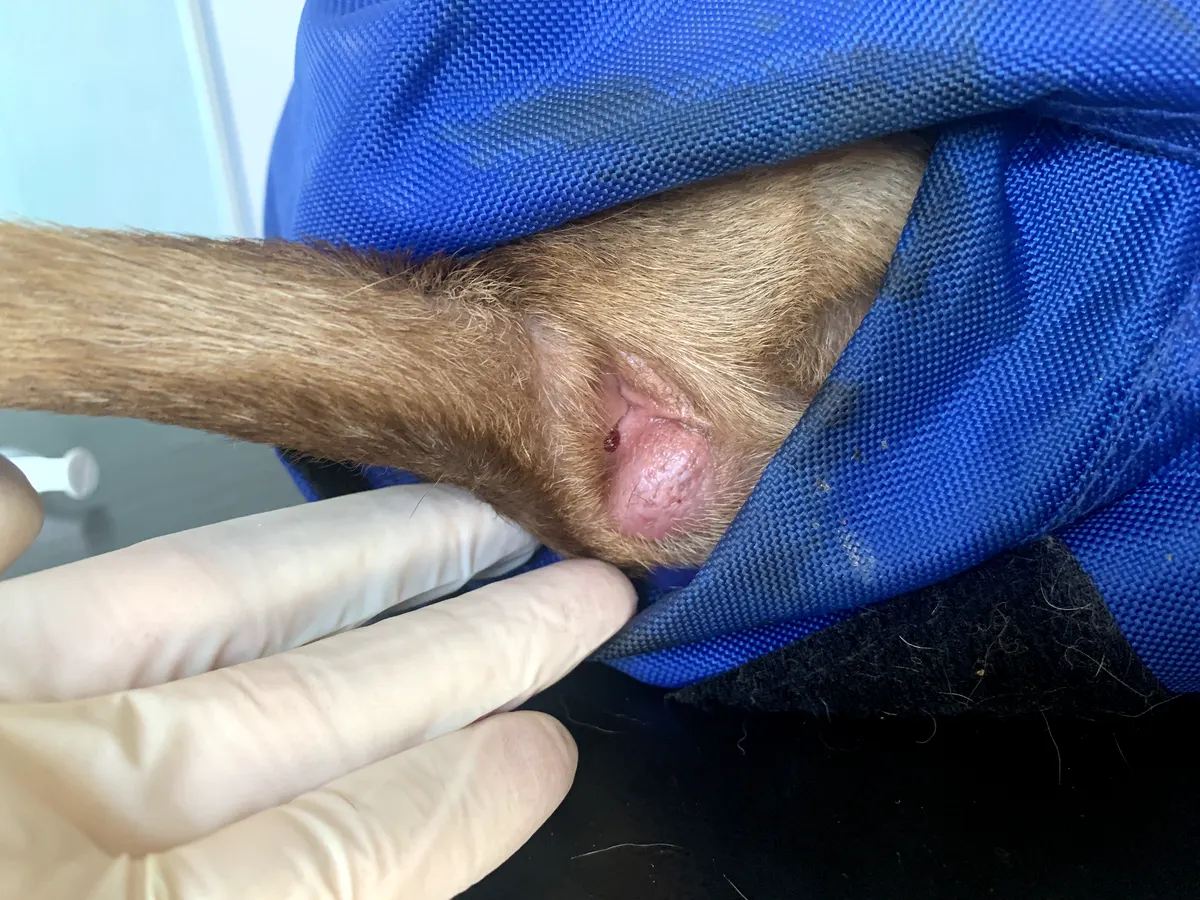
 Don't wait
The lump you found while stroking him.
A small firm nodule under the skin. Some are harmless; some are not, and the difference is decided by sampling, not by appearance. The review sets out what should be sampled and in what order.
You were handed a report, a scan, or a plan — and about ten minutes to take it in. Send the whole record instead: Dr. Alex Strelkov, a veterinary surgical oncologist, personally reviews it in full and gives you a clear oncology plan within 24 hours — built around your animal and ready to discuss with your clinic.
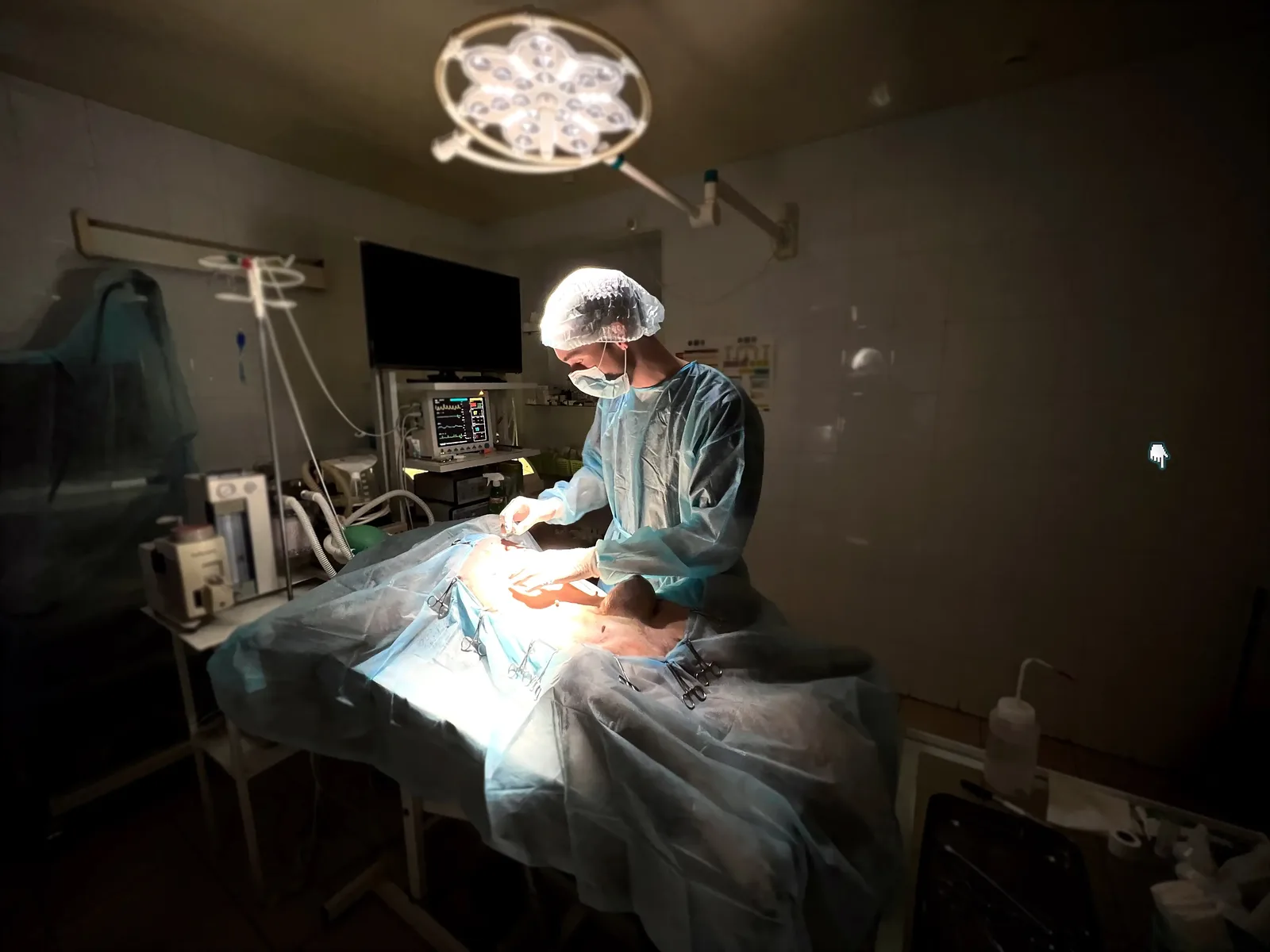
Written for the pharmacy near you.
The same medicine carries a different brand name in every country. Your plan names the ones sold where you live.
Two short steps now. The full clinical questionnaire opens immediately after secure payment.
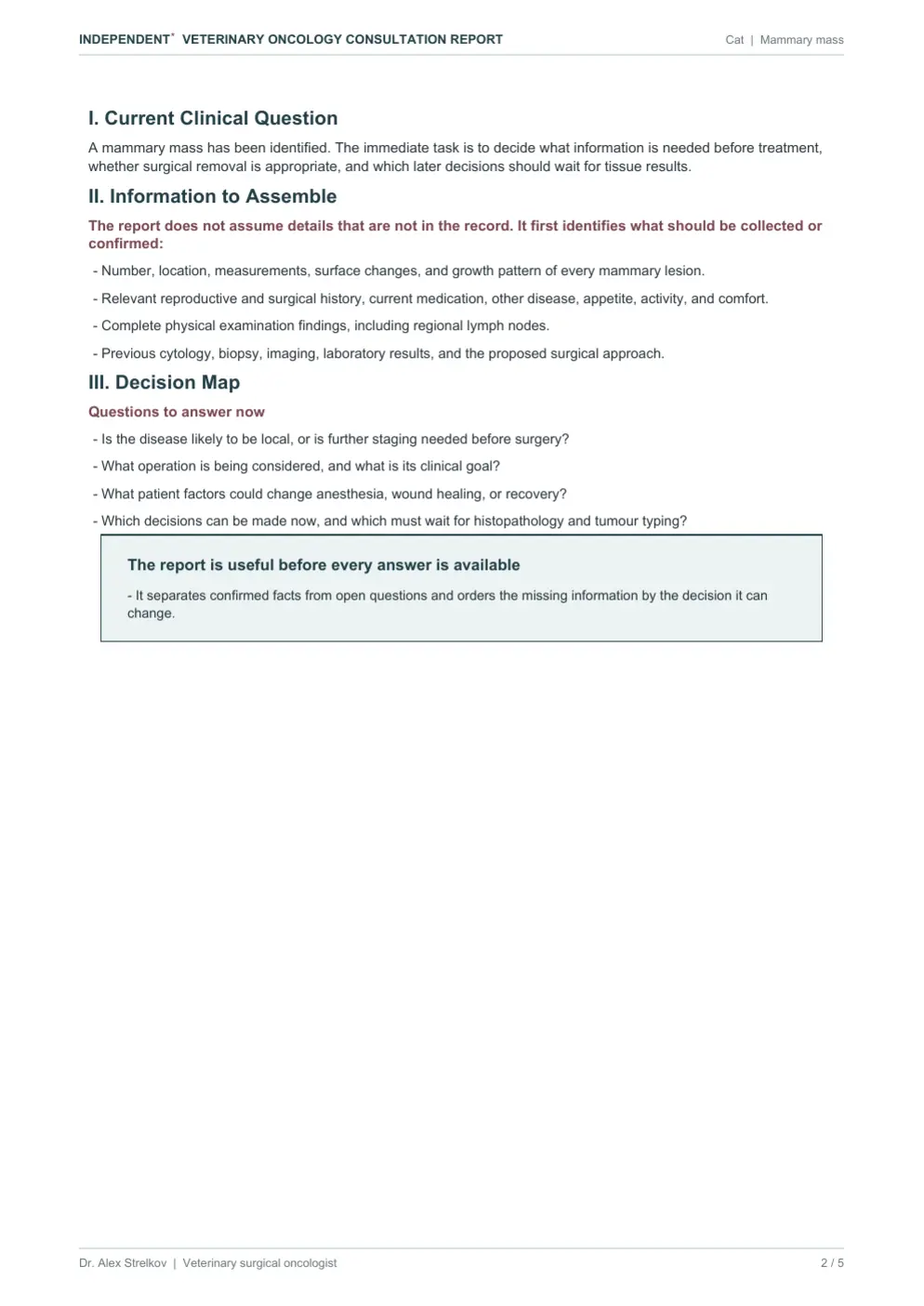
Start with the immediate decision, then swipe through pre-operative readiness, surgery and tissue handling, result-dependent treatment pathways, monitoring and follow-up.
Every report is tailored to the records and current decision. It provides an actionable plan now; if hands-on care is needed, it also helps the owner continue care efficiently with any local veterinary team.
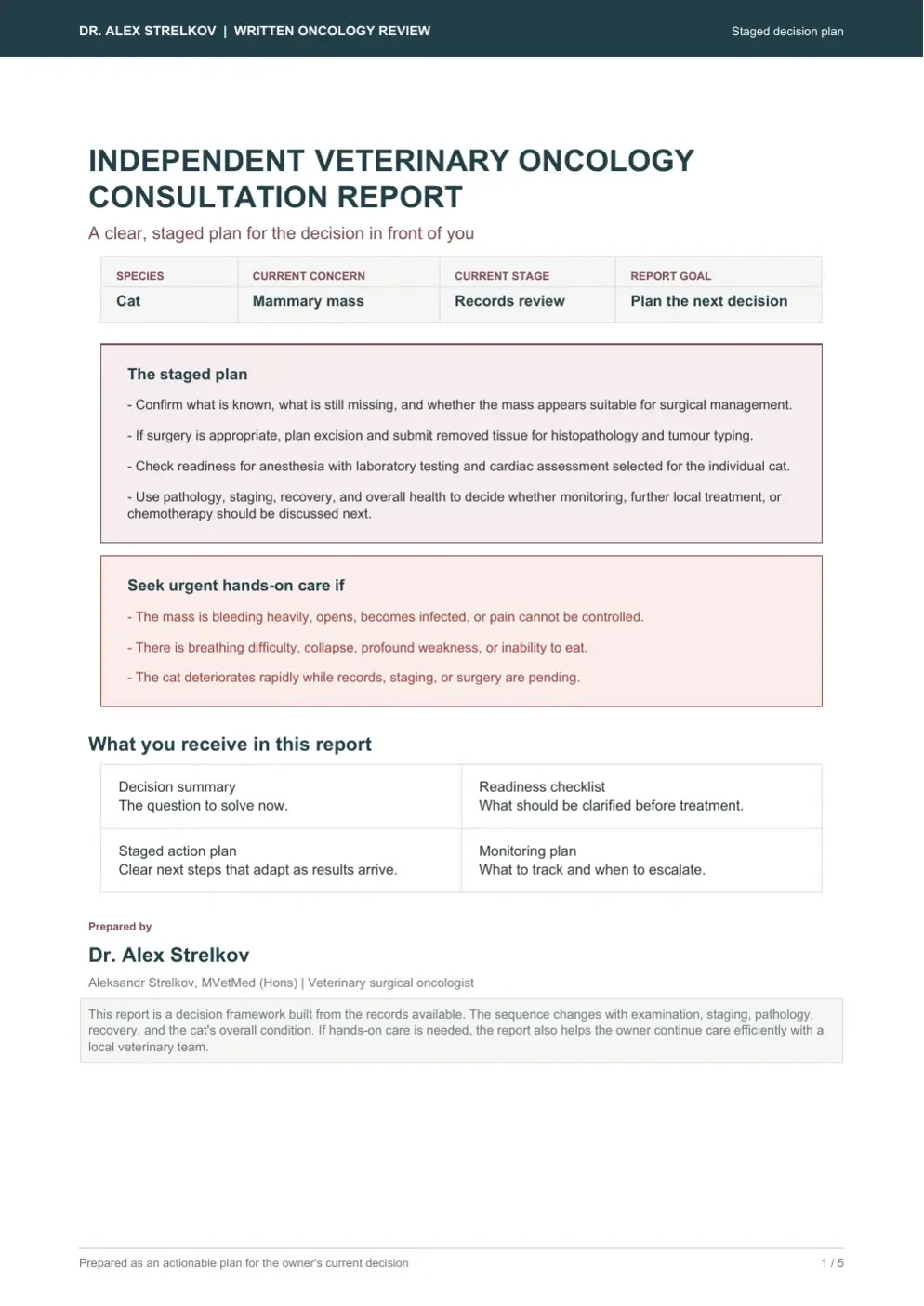
Three moments behind a personal oncology review.
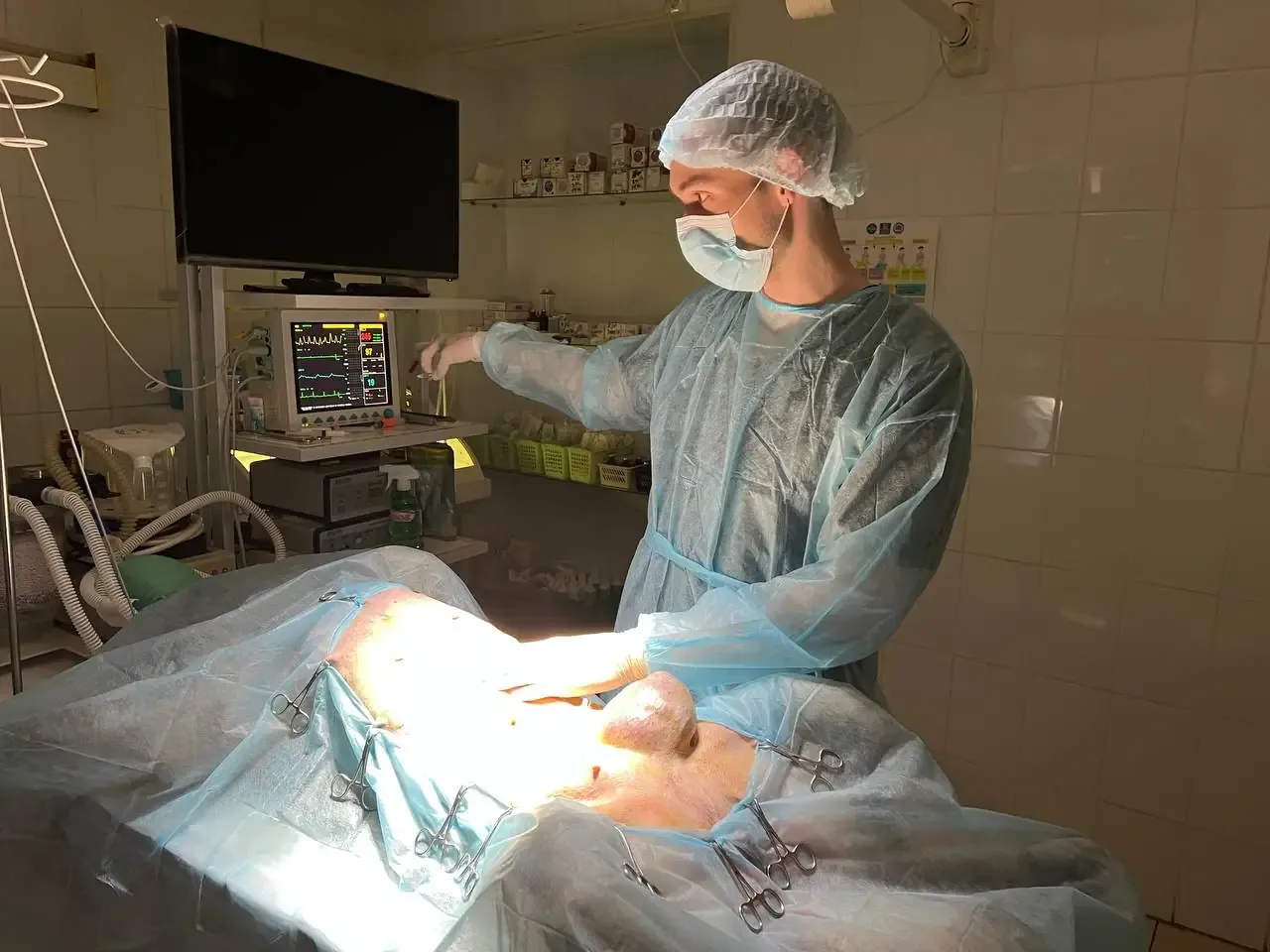
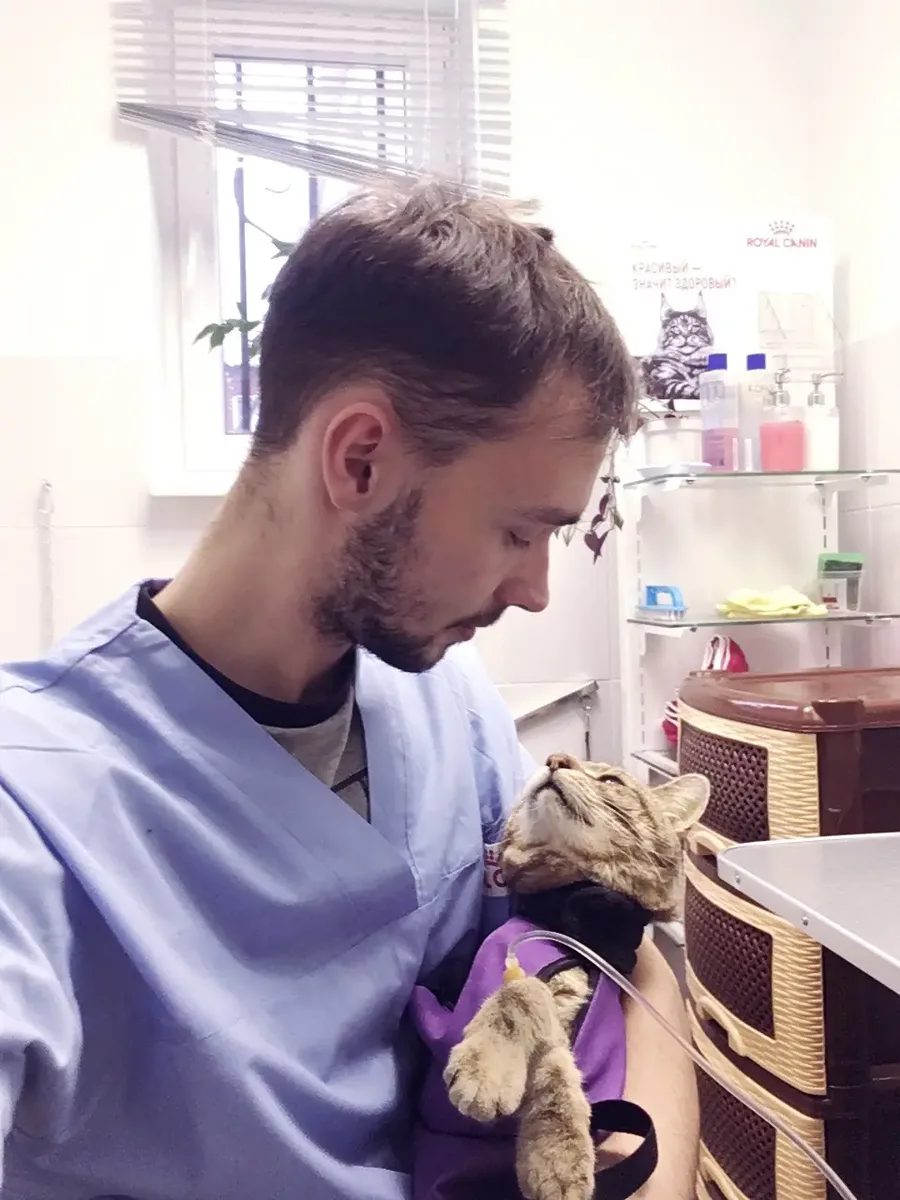
Almost every case starts the same way: something was found, or a report arrived, and the next decision has to be made without enough context. These are the real reasons owners write.
Don't waitA small firm nodule under the skin. Some are harmless; some are not, and the difference is decided by sampling, not by appearance. The review sets out what should be sampled and in what order.
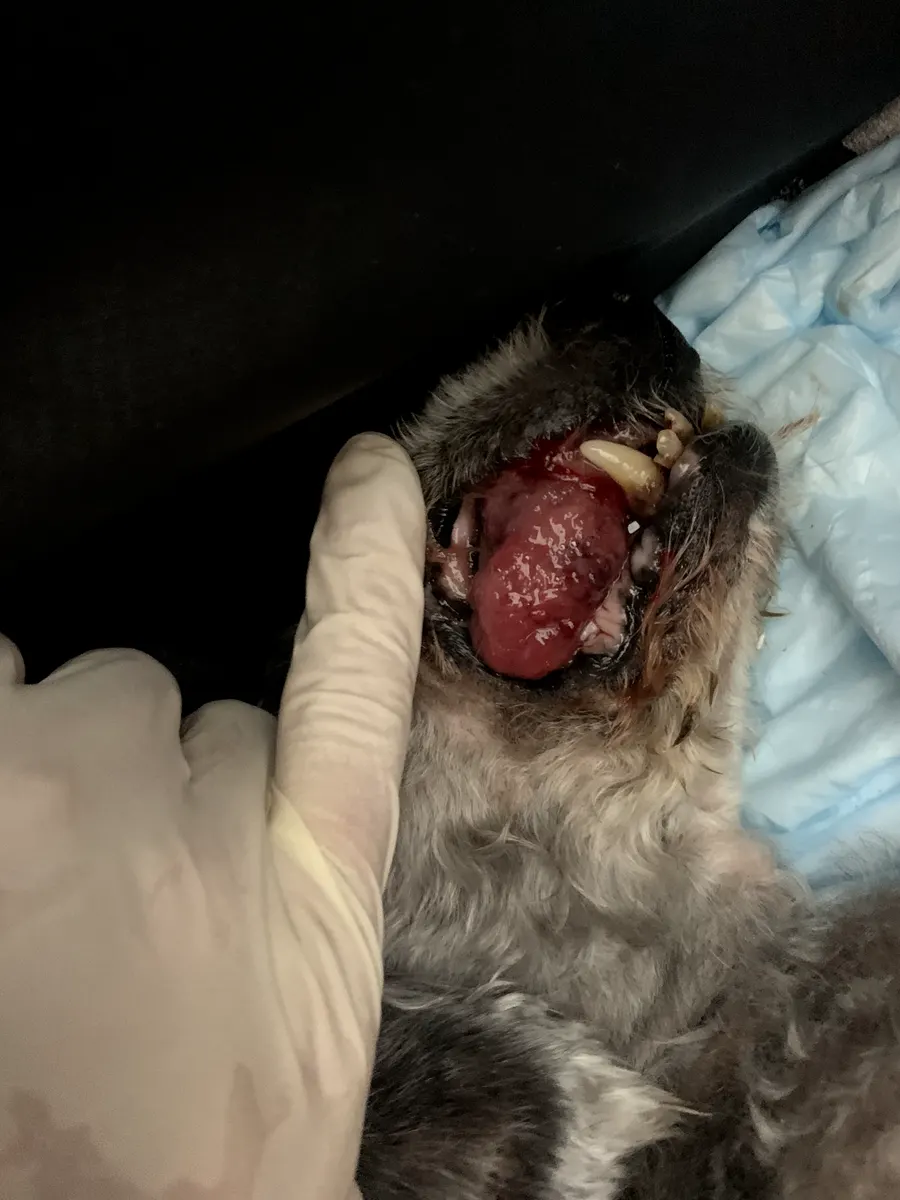 Days, not weeks
Oral masses are routinely treated as bad teeth or gum disease for weeks. Staging and margins matter here more than almost anywhere else, and the window closes quickly.
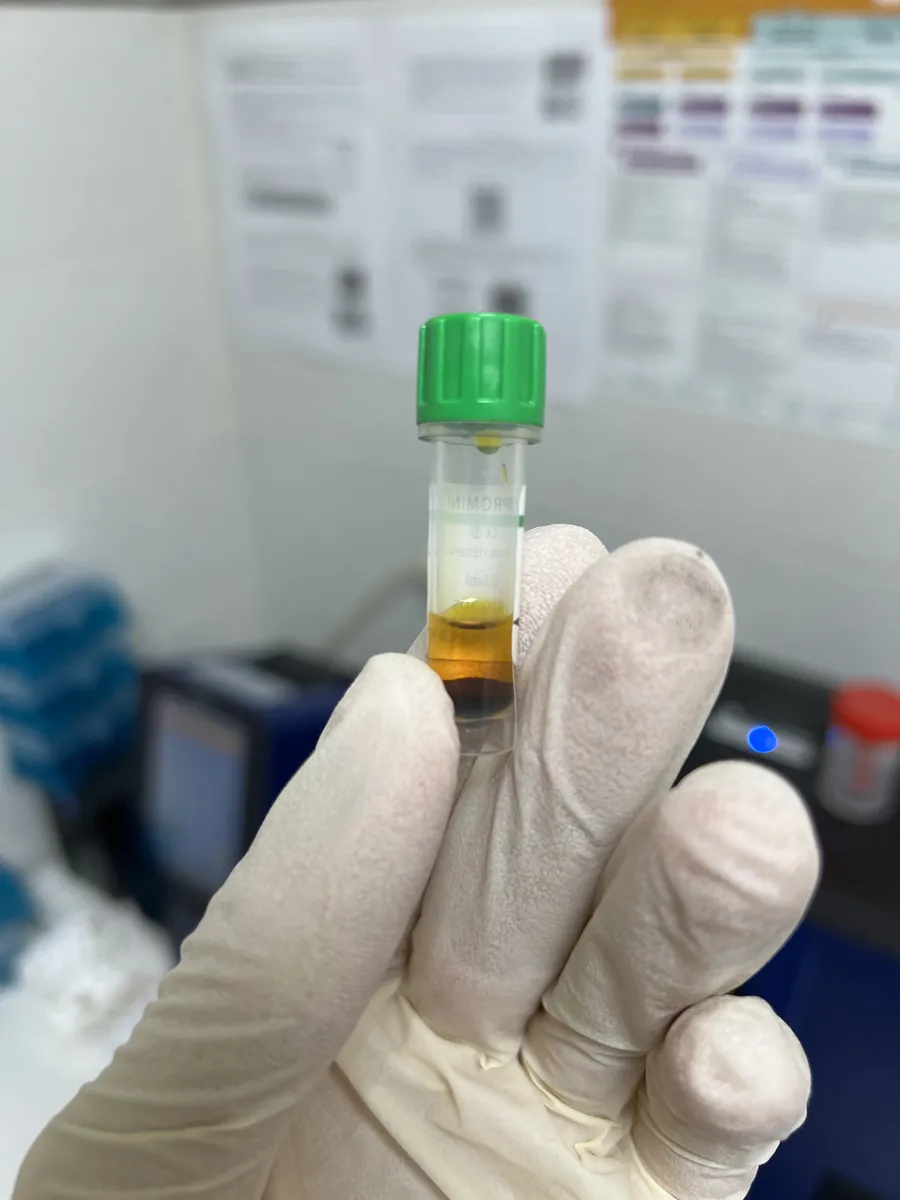 Before the next step
Grade, margins, mitotic index, a Latin diagnosis, and no explanation of what it changes. The review translates the report into what it means for staging, follow-up, and further treatment.
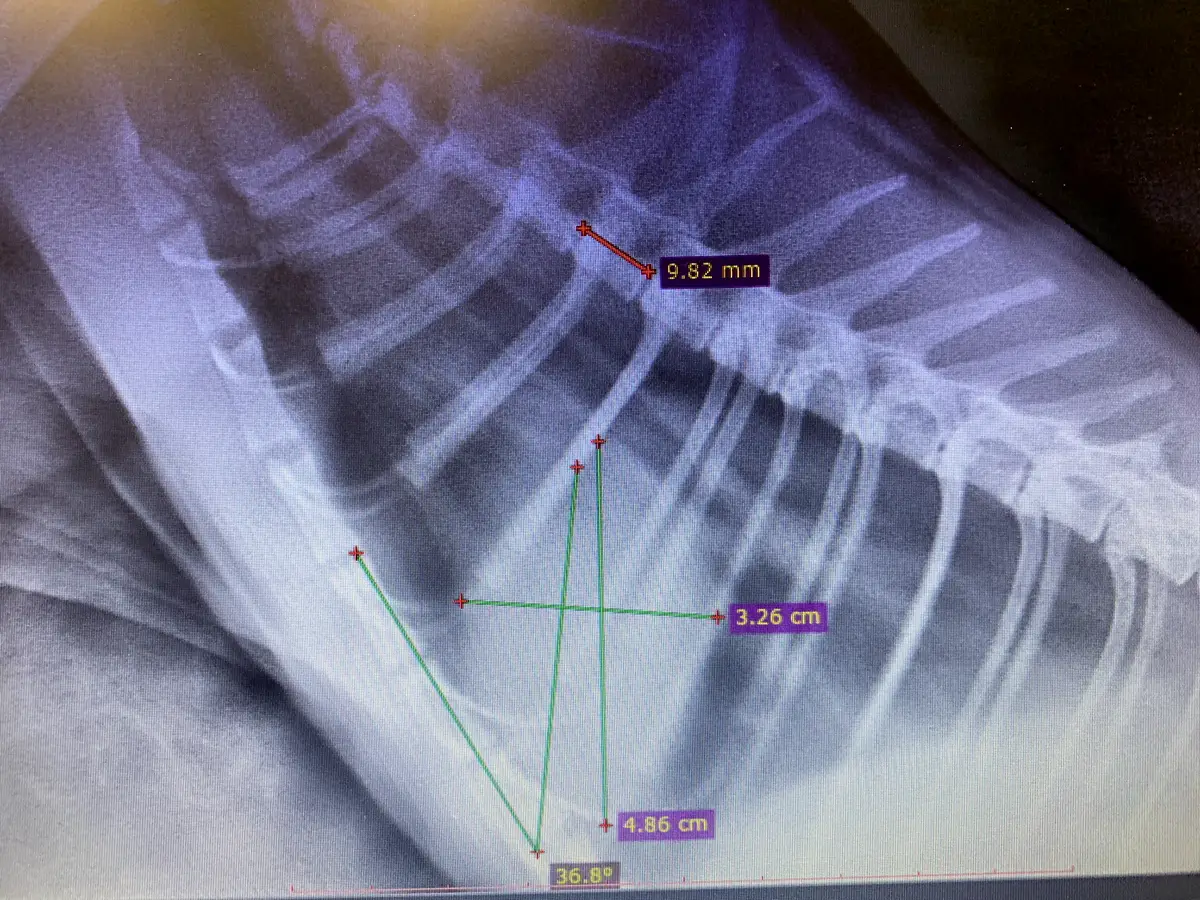 Second opinion
Radiographs, ultrasound, or CT read differently by different people. Measurements alone are not staging — they need the chronology and the clinical findings beside them.
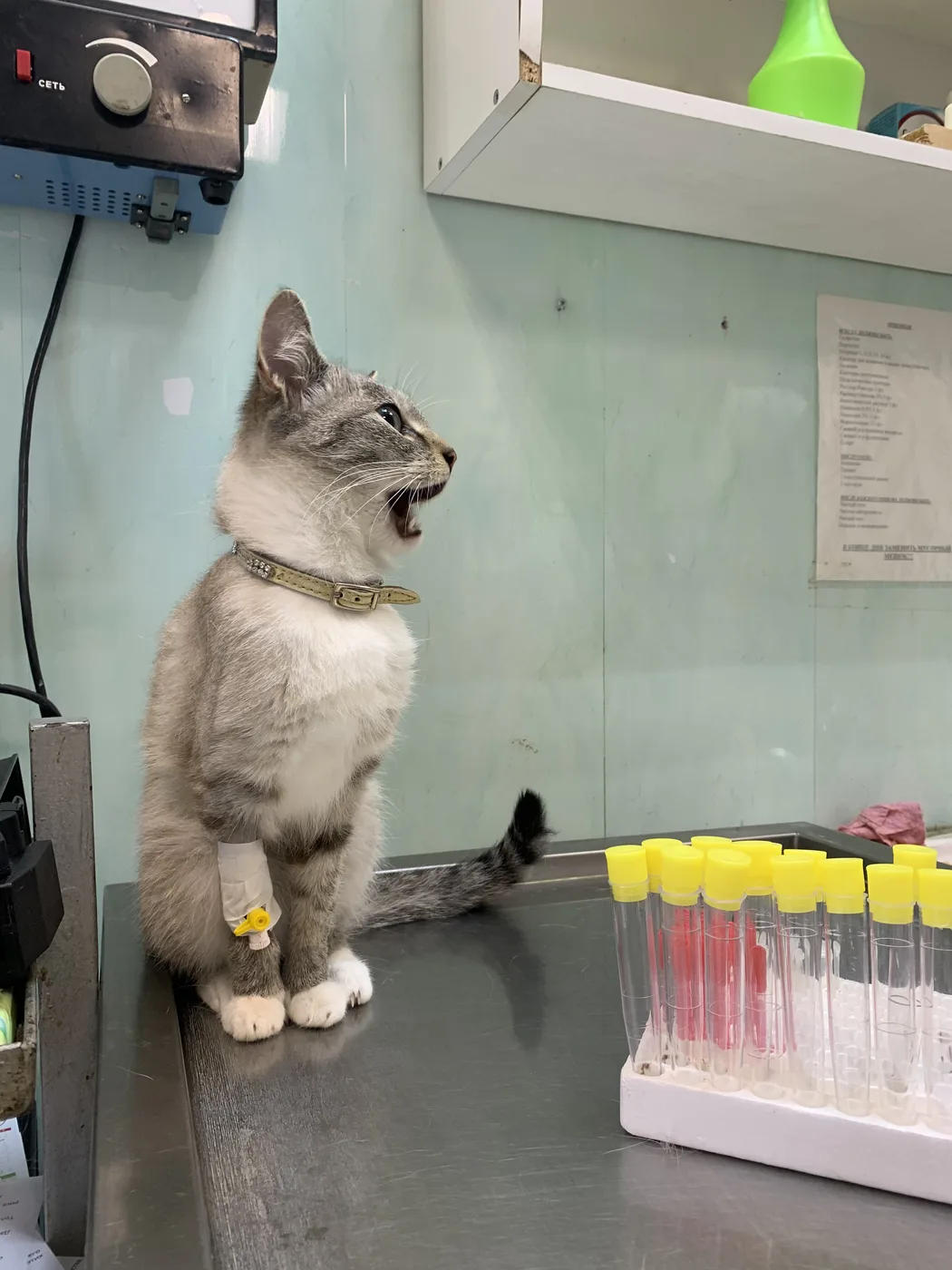 Second opinion
Bloods, cytology, and imaging arriving over several weeks from different places. The review puts them into one sequence and says which result actually changes the decision.
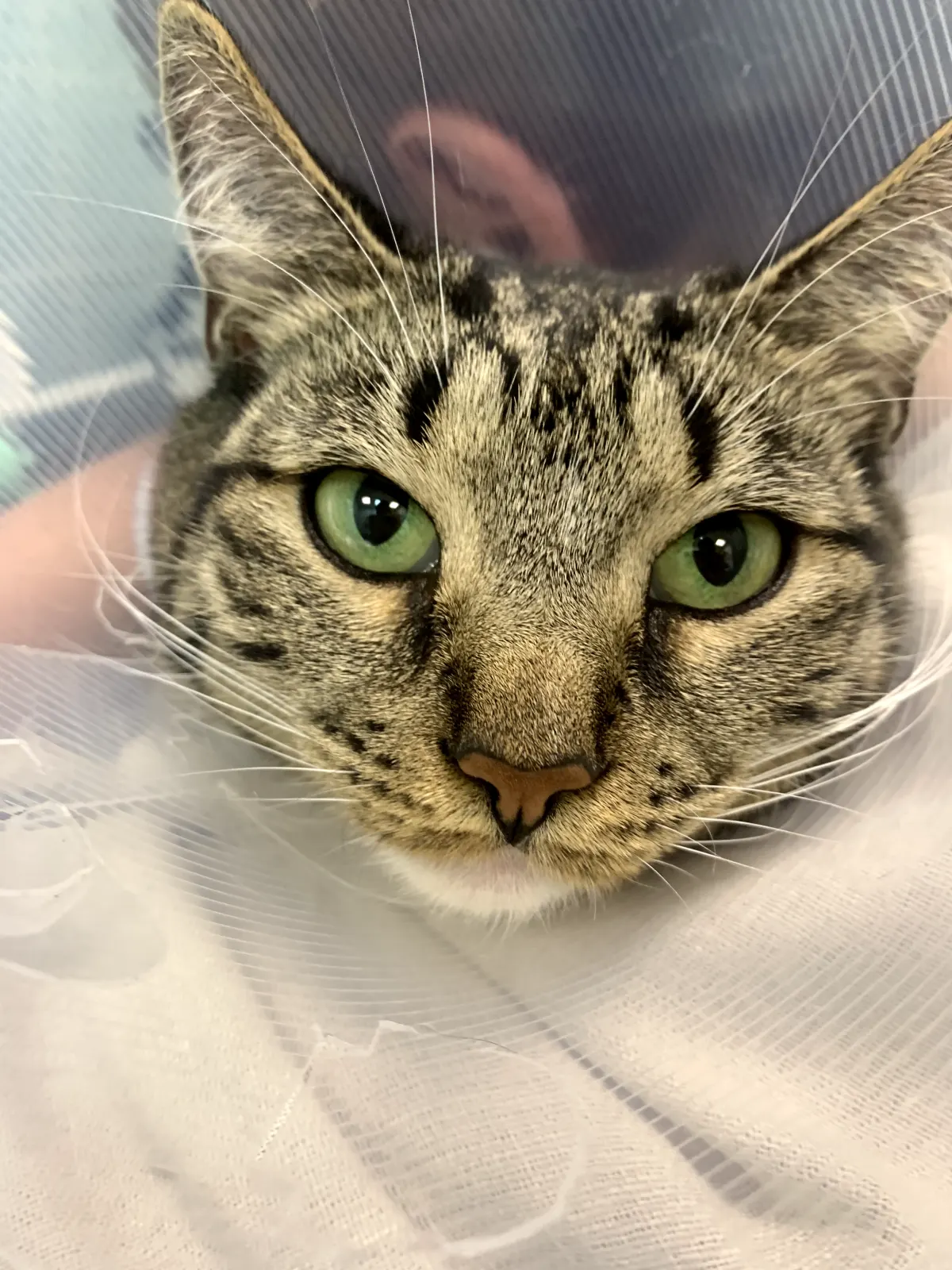 Before you consent
Surgery, chemotherapy, monitoring, or comfort-focused care were proposed and you have to decide. The report separates the intended benefit, the uncertainty, the burden on the animal, and the questions to ask first.
Most of these can be worked through remotely when the records, images, and chronology are complete.
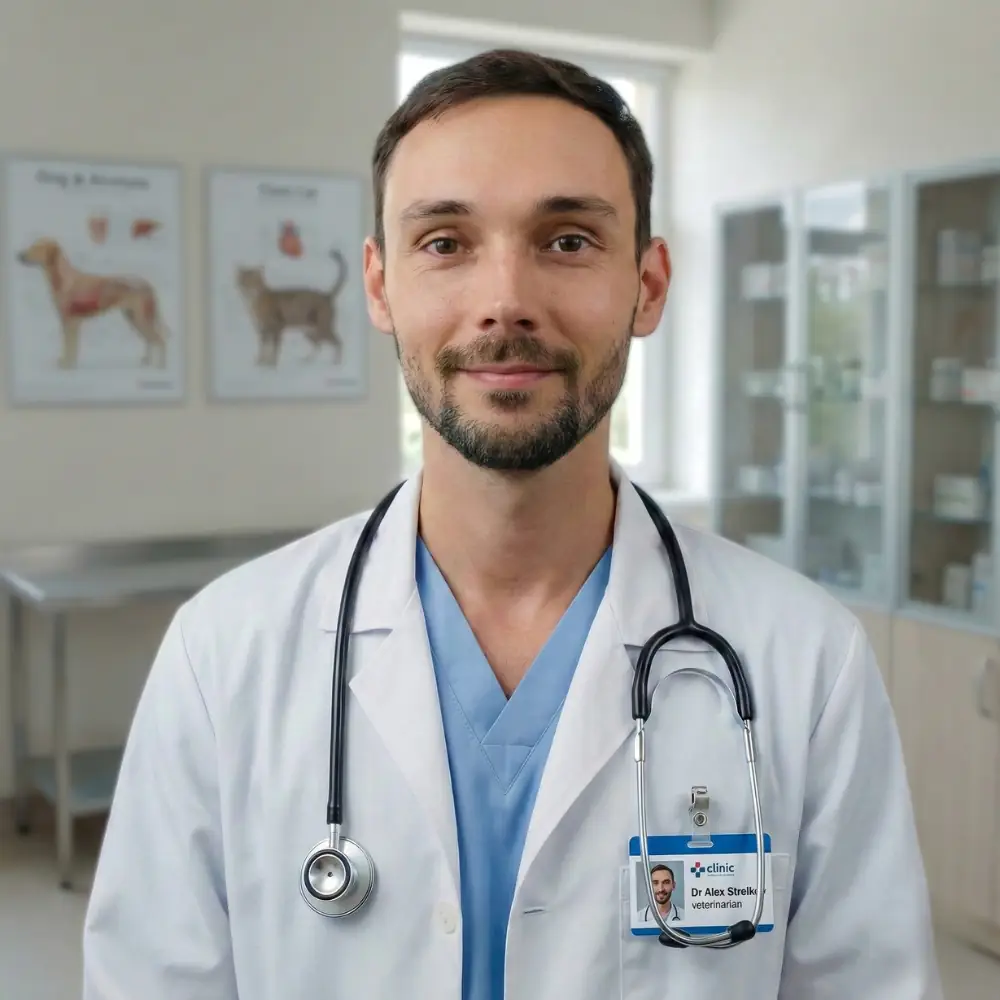
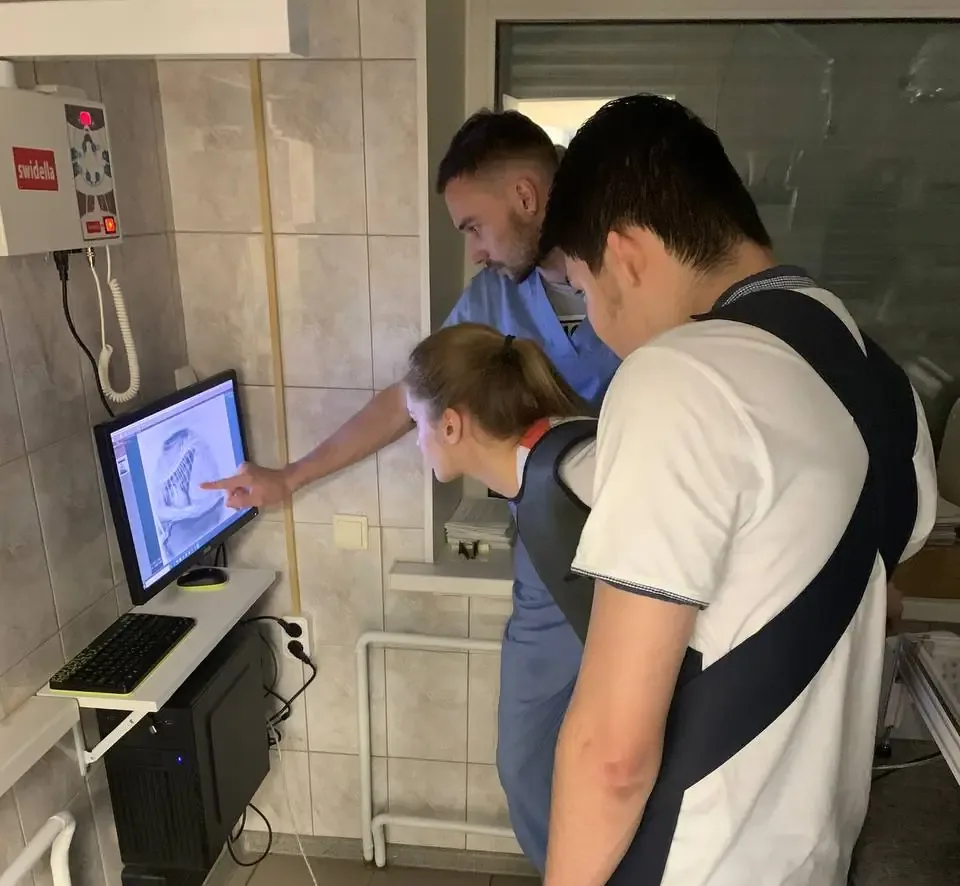
Dr. Strelkov is a veterinary doctor and the founder of VetGO. He graduated with honors from the K.I. Skryabin Veterinary Academy and holds state-accredited specializations in clinical radiology and in abdominal surgery and endoscopy, with postgraduate training in tumors of the thoracic and abdominal cavity. A personal oncology review is built around your animal's clinical record: the nature and pace of the change, what has already been investigated, and which decision has to be made next.
My goal is that you understand exactly what is happening with your animal and know precisely what to do next. I cannot promise miracles — but I will do everything modern veterinary science allows.
Dr. Aleksandr Strelkov
The consultation starts immediately after payment; there is no scheduling round trip or app account.
Tell us whether the question concerns diagnosis, staging, surgery, pathology, or an existing treatment plan.
Upload the chronology, reports, images, medication history, and the recommendation already given.
Your case review separates what is known, what remains uncertain, and which next questions matter for this animal.
Dr. Alex reads the whole case in one sitting and connects the chronology, images, pathology, previous treatment, and the decision in front of you. The result is specific to your animal and practical to discuss with the clinic providing hands-on care.
Chronology, pathology, imaging, medication, and the existing recommendation are considered together.
The report distinguishes what the records support from assumptions that still need confirmation.
You receive a practical framework for discussing staging, margins, treatment goals, and quality of life.
Cancer care often becomes difficult because information arrives in fragments: a scan, a pathology phrase, a surgical recommendation, and several treatment options discussed at different times.
A personal review reconstructs that sequence and distinguishes:
It complements local care; it does not replace it. Physical examination, sampling, anesthesia, surgery, urgent treatment, and ongoing clinical care must happen with the veterinary team that sees your animal in person. The personal oncology plan exists so that you and that team are working from the same clear picture before a difficult choice is made.
A specialist personal case review costs more than a generic remote appointment because it is a different service, with different depth and continuity.
Clear expectations matter in a remote clinical service.
$149First review of this patient · later reviews at the standard rate